
Thomas Kyd was a popular playwright of the Renaissance period. Born in 1558 in London he died tragically at the very young age of 35. Many of Kyd’s important literary works have been lost due to lack of proper information and only a few survive today and has been recorded in history. One of Kyd’s most extraordinary work was “The Spanish Tragedy” which made him popular overnight.
Thomas Kyd was best known for his tragic works and popularized the concept of English tragedy or revenge tragedy which was later adopted by many renowned writers of his time like Shakespeare and Christopher Marlowe. His works include numerous plays, books, poems, and translations. Many of his distinct plays have been later recorded and published as books.

Thomas Kyd: Popular Plays and Books
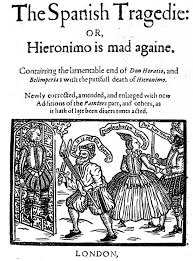
The Spanish Tragedy
The Spanish Tragedy was written in 1589 and later published in 1592 is undoubtedly one of the greatest works of Kyd. The revenge drama is a poignant tale of love and betrayal and how all the characters are interwoven with each other and meet their fate in the end.
The story revolves around young Bellimperia who will avenge the death of her lovers Horatio and Andrea by killing Balthazar and Lorenzo the main villains of the tragic plot.
She is accompanied by Hieronimo, the grieving father of Horatio. The final act of the play is quite tragic where all the characters including Bellimperia and Hieronimo commit suicide and die in the end.
Soliman and Perseda
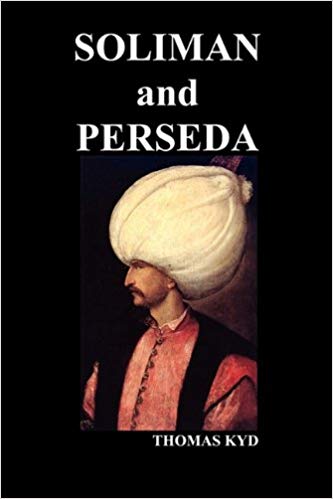
Soliman and Perseda is a romantic tragedy and was written in the year 1588. The story outlines the beautiful Perseda who lives in Rhodes Island and is in love of young Knight Erastus.
Due to some tragic events, Erastus is sent on exile where he meets the Mighty King Soliman. The two become friends. Meanwhile, King Soliman is smitten by the beauty of Perseda and decides to invade Rhodes Island and capture Perseda. In the course of action, Erastus is reunited with Perseda.
Soliman kills Erastus in order to unite with Perseda. A heartbroken Perseda promises to avenge the death of her lover. Disguised as a warrior she fights King Soliman.
Perseda is seriously injured in the combat and asks for one dying wish a kiss from the King. The King complies to her wish without knowing that Perseda had in fact poisoned her lips. The end of the play is quite ironic where King Soliman dies a horrific death in the hands of his own love Perseda.
Edward III
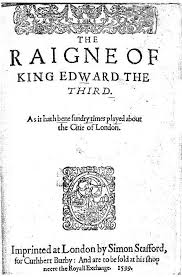
Edward III is a historical drama written partly by Thomas Kyd and partly by William Shakespeare and was published in 1596. The period drama portrays the major life events of King Edward III of England.
The play gives us an insight into the love-life of Edward III and also the historic battles of Crecy and Poitiers.
Arden of Faversham
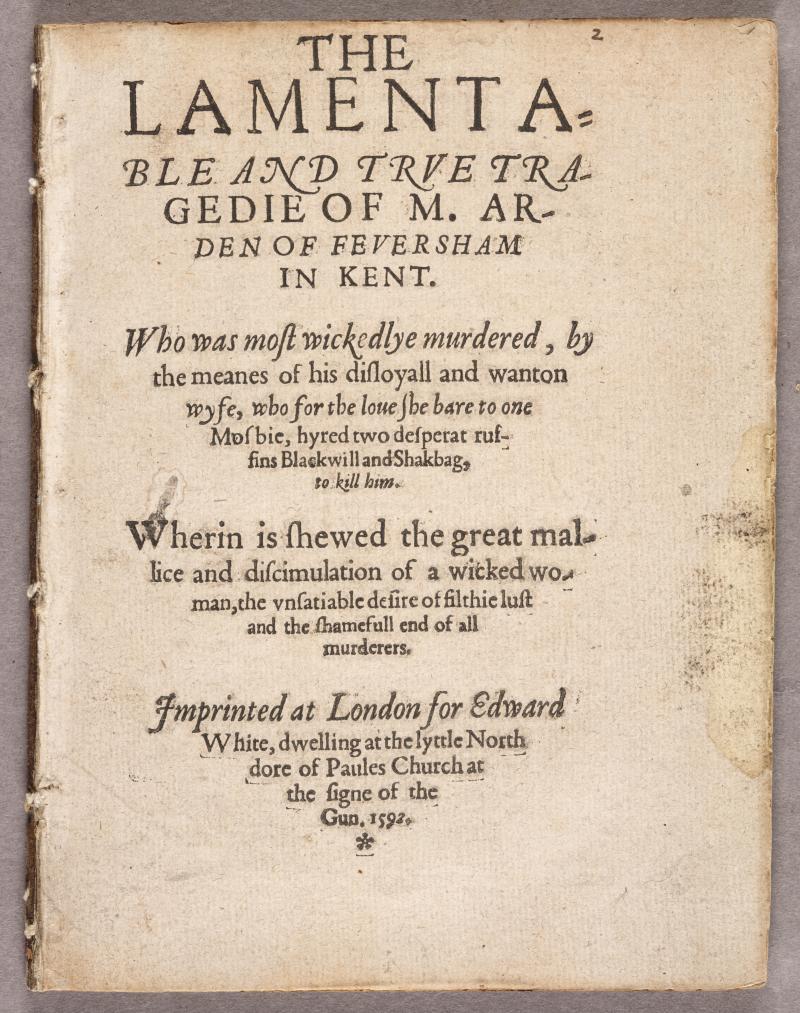
Arden of Faversham was first published in 1592 in London. The story is about a sensational crime that took place in the household of a rich family in the small town of Faversham, England.
The incident was so shocking that it left the entire town in dismay. The main character Thomas Arden, a prominent resident of Faversham was killed by his wife and her lover on February 14, 1551, in his own house. The scandalous affair and murder mystery gained immense popularity during that time and was adopted for the first time into a play.
Cornelia
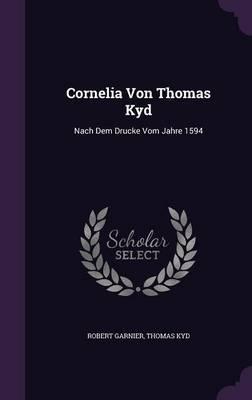
Cornelia was one of the most authentic works of Thomas Kyd and was loosely based on the French play Cornélie by Robert Garnier. Cornelia was published in two editions and was written on the setting of the Roman Civil War and Caesar’s victory. The play enacts several events about the rise and fall of the Roman empire.
King Leir
King Leir was first published anonymously in 1605 but the authorship of the play was later accredited to Thomas Kyd.
The story revolves around King Leir of Britain who decides to divide his kingdom among his three daughters Cordelia, Regan, and Goneril. He devises this particular plan to see which child loves him the most and he will gift her the largest part of his kingdom.
Cordelia who is honest and virtuous does not want to participate in this bitter game of power. This hurts King Leir and he disowns his most loved daughter.
The King of France marries Cordelia even though she has lost all her fortune. In the end, Cordelia is deceived and killed by her evil sisters and King Leir soon realizes what great mistake he has done as he carries the lifeless body of his daughter.
The story is tragic as well as dramatic and evokes pity and sadness among its viewers.

Other Works of Thomas Kyd
The Householder’s Philosophie
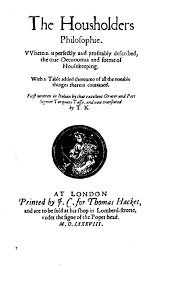
In 1588 Thomas Kyd translated Italian poet Torquato Tasso’s epic poem “Padre de Familia” which was known as “The Householder’s Philosophie”.
The Murder of John Brewen
Another notable work of Thomas Kyd was the “The Murder of John Brewen”. Thomas wrote this pamphlet in 1592. However, it is presumed that the work has never been staged during Elizabethan times.
The story is again a domestic tragedy where a goldsmith is murdered by his wife on grounds of adultery.
Ur-Hamlet
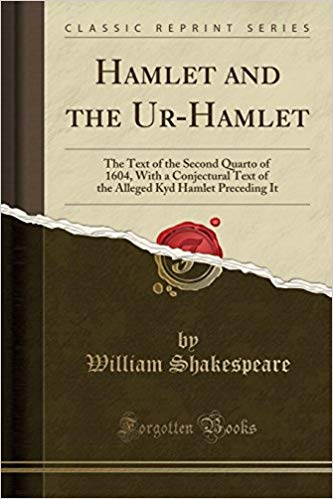
Some scholars believe that even before Shakespeare wrote Hamlet, there was an early version of the popular drama probably written by Thomas Kyd. According to critics Shakespeare was not the author of the original piece. Historians believe that Thomas Kyd who is the pioneer of tragic drama must have written an early version of the drama known as “Ur-Hamlet” that might have inspired Shakespeare.
Mystery Novels
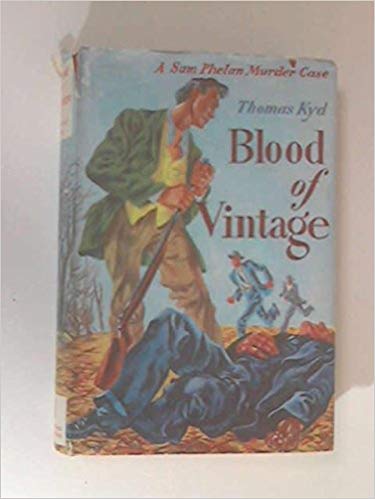
Blood is Beggar and Blood is Vintage are some of the mystery novels written by Thomas Kyd.
Poems
“Yet might she love me” is one of the famous poems that has been reprinted from Kyd’s classic tragedy drama The Spanish Tragedy.
The speaker in the poem is Balthazar who laments his love for Bellimperia who is unshaken by his persistent wooing and he is saddened by the thought of losing her.